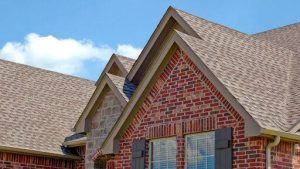
A roof is made up of several named areas. The main ones are the ridge (the top line where two slopes meet), the eaves (the lower edges that hang past the walls), the hips (sloped outer corners), the valleys (the inner channels where two slopes meet), the gables (the triangle-shaped wall sections at each end), and the rake (the sloped edge along a gable). Add to that the field (the broad flat surface of each slope), the fascia and soffit (the boards and panels that finish the eaves), and the flashing points around chimneys and vents, and you have the full picture of a roof’s anatomy.
Most people only think about a roof when water starts dripping through the ceiling, but knowing these names can save you real money and confusion. Roofers, insurance adjusters, and home inspectors all use these terms, and if you can speak their language, you can understand quotes, spot padded estimates, and describe a problem over the phone without guessing. Some of these areas also matter more than others. Valleys and flashing points cause most leaks, while the ridge and eaves control how air moves through your attic. Once you know where each part sits and what it does, a roof stops being one big mystery overhead and becomes a set of parts you can actually talk about.
The Ridge
The ridge is the highest point of the roof, the straight line where two slopes come together at the top. On many homes, the ridge holds a special vent that lets hot air escape from the attic. This keeps the house cooler in summer and helps prevent moisture buildup in winter. If your ridge line sags or dips, that can be a sign of structural trouble underneath, so it is worth a look from the ground every so often.
The Eaves
The eaves are the lower edges of the roof that stick out past the walls of the house. They do two jobs at once: they push rainwater away from your walls and foundation, and they often hold vents that pull cool air into the attic. Gutters attach along the eaves as well. When ice dams form in cold climates, they usually form here, which is why this area gets extra protection during a proper roof install.
Hips and Valleys
A hip is an outside corner where two roof slopes meet and angle downward. Homes with hips on all sides are called hip roofs, and they tend to stand up well in high wind. A valley is the opposite: an inside corner where two slopes meet and form a channel. Valleys carry a lot of water during a storm because two whole sections of roof drain into them. This makes valleys one of the most common places for leaks, and roofers line them with metal or special underlayment for extra defense.
The Gable and the Rake
A gable is the triangle of wall you see at the end of a house under a peaked roof. The rake is the sloped edge of the roof that runs along that triangle, from the eave up to the ridge. The rake can be flat against the wall or it can overhang. Rakes take a beating from wind, so shingles along this edge are usually sealed down with extra care.
The Field
The field is the simple name for the large open surface of each roof slope. It is where most of your shingles, tiles, or metal panels sit. While the field covers the most area, it is often the least likely spot to leak, because water runs straight down it without pooling or changing direction. Problems in the field usually come from age, hail, or wind ripping shingles loose.
Fascia and Soffit
The fascia is the long board that runs along the edge of the eaves, facing outward. Your gutters mount to it. The soffit is the panel underneath the eaves, facing the ground. Soffits often have small holes or vents that let air flow into the attic. If you see peeling paint, rot, or animal damage on either of these, water may already be getting in behind them, so fix them early before the damage spreads.
Flashing Areas
Flashing refers to the thin metal pieces installed anywhere the roof meets something else: a chimney, a vent pipe, a skylight, or a wall. These spots break up the smooth flow of water, so they need metal to guide water back onto the shingles and away from the gap. Old or poorly installed flashing causes a large share of roof leaks. When a roofer inspects your home, these areas should get the closest attention.
The Drip Edge
The drip edge is a strip of metal along the eaves and rakes that guides water off the roof and into the gutter instead of letting it curl back under the shingles. It is a small, cheap part, but skipping it leads to rotted fascia boards and stained walls. Many building codes now require it on every new roof.
Why These Names Matter
Once you know these terms, a roofing quote makes far more sense. If an estimate says “replace valley flashing and repair rake edge,” you now know exactly where the work will happen and can check it yourself when the job is done. You can also give better details when calling for help: saying “water is coming in near the valley on the north slope” gets you a faster, more accurate answer than “my roof leaks somewhere.” A roof is just a set of named parts working together, and now you know what each one is called.