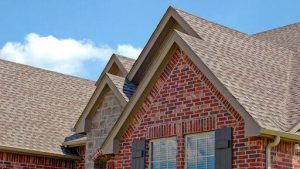
A roof has many parts, and each one has a clear job. The framing holds the roof up, the decking gives it a solid base, and the underlayment and shingles keep water out. The ridge, hips, and valleys are the lines where roof slopes meet. The eaves, rakes, fascia, and soffit finish the edges. Flashing, vents, and gutters protect the weak spots, control heat, and move rainwater away from your home. Once you learn these names, you will spot problems sooner and talk with roofers more easily.
Here is something many homeowners don’t know: most roof leaks don’t start in the wide, open middle of the roof. They start where two things meet, like a valley, a chimney, or a skylight. That’s why small metal strips and seams matter as much as the shingles you see from the street. Roofers also have their own way of describing how steep a roof is. They call it pitch and write it as two numbers, such as 6/12. This means the roof rises 6 inches for every 12 inches it runs across. Steeper roofs shed rain and leaves faster, while low-slope roofs need extra care so water doesn’t sit on them.
The Hidden Base: Framing, Decking, and Underlayment
You can’t see these parts from the yard, but the whole roof depends on them. The framing is made of rafters or trusses. Rafters are sloped boards that run from the peak down to the walls. Trusses are pre-built triangle frames that do the same job and are common in newer homes.
On top of the framing sits the decking, also called sheathing. It is usually plywood or similar wood panels, and it gives the roof a solid surface to nail into. If it stays wet, it can rot, which is why a sagging spot on a roof is a warning sign.
The underlayment goes over the decking. This sheet of felt or man-made fabric is a second line of defense. If wind lifts a shingle or rain blows under it, the underlayment helps keep water off the wood.
The Outer Shell: Roof Covering
The roof covering is the part everyone sees. It might be asphalt shingles, metal panels, clay tiles, or slate. Its job is to shed water and shield the layers below from sun, wind, and hail. Each material differs in lifespan, cost, and weight, so the best pick depends on your climate and budget.
Where Slopes Meet: Ridge, Hip, and Valley
The ridge is the highest line on the roof, where two slopes meet at the top. It is often covered with ridge cap shingles and may hold a ridge vent.
A hip is a sloped line where two roof sides meet at an outward corner, running from the ridge down to the eaves. Roofs with hips on all four sides are called hip roofs, and they tend to hold up well in strong wind.
A valley is the opposite of a hip. It is the inward “V” where two slopes meet and form a channel. Valleys carry a lot of water during rain, so they need careful sealing and are a common spot for leaks.
The Roof Edges: Eaves, Rakes, and Gables
The eaves are the lower edges of the roof that hang past the walls. This overhang keeps rain off your siding and windows.
The rakes are the sloped side edges that run from the eaves up to the ridge. The gable is the triangle-shaped wall section that sits between the two rakes at the end of the house.
Fascia, Soffit, and Drip Edge
The fascia is the long, flat board along the eaves. It gives the roof edge a clean finish and holds the gutters. When gutters overflow, the fascia is often the first part to rot.
The soffit covers the underside of the overhang, between the fascia and the wall. Many soffits have small vents that let air flow into the attic.
The drip edge is a thin metal strip along the eaves and rakes. It guides water into the gutter so it doesn’t run back and soak the fascia or decking.
Flashing: The Leak Stopper
Flashing is thin metal placed wherever the roof meets something else, like a chimney, skylight, pipe, or wall. It seals the joints that shingles alone can’t cover. Loose, bent, or rusted flashing is one of the top causes of roof leaks, so give it a close look during any check.
Vents: Keeping Air Moving
Roof vents keep your attic cooler and drier. Most setups pull outside air in through soffit vents and push warm, damp air out near the top through a ridge vent or similar vent. Since hot air rises, this works naturally. Good airflow helps shingles last longer, prevents mold, and can lower your cooling bills.
Gutters and Downspouts
Gutters run along the eaves and catch rain as it flows off the roof. Downspouts carry that water down and away from your home. Without them, water can pool near the house and damage the foundation and walls. Clean them at least twice a year to keep them flowing.
Dormers and Other Add-Ons
A dormer is a small structure that sticks out from a sloped roof, usually with a window. It adds light and headroom to an upper room. Chimneys, skylights, and vent pipes also cut through the roof. Each one creates new seams, so each needs good flashing.
Why It Pays to Know These Parts
When you know your roof parts by name, you can describe problems clearly, understand a roofer’s quote, and catch small issues before they grow. A quick look from the ground after a storm tells you a lot. Watch for missing shingles, bent flashing, sagging lines, or gutters pulling away from the fascia. If you see any of these, call a roofer early. A small repair today costs far less than a new roof later.